
Sema
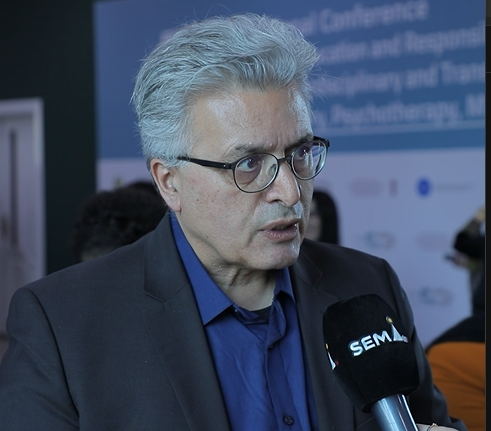
Prof. Dr. Jan Ilhan Kizilhan, a psychologist and Dean of the Institute of Psychotherapy and Psychotraumatology at TU Dortmund University in Germany, told Sema TV that the consequences of the 2014 genocide against the Ezidis continue to threaten the community’s identity, social cohesion, and future generations.
Speaking on the sidelines of the International Conference on Trauma, Education and Responsibility in Post-Conflict Societies, Kizilhan said the genocide extended beyond the killings, abductions, and sexual violence committed by the Islamic State (ISIS), with its effects continuing to be felt by Ezidis living in displacement camps and across the diaspora.
He warned that many displaced Ezidis continue to face uncertainty about their future, while prolonged displacement threatens their language, religious identity, cultural traditions, and sense of hope. Kizilhan also highlighted the challenges facing Ezidis living abroad, including in Germany, the United States, Canada, and Australia. He stressed that the community needs greater unity and collective efforts to preserve its identity and ensure its continuity. He called on Ezidi society and its leadership to work together to build a shared future, warning that without sustained efforts, the community could gradually lose its religious and cultural identity over the coming generations. Another major concern he raised in his interview with Sema TV was the shortage of specialized mental health services for Ezidi children. Although treatment and support services are available for some adults and women, he said there remains a significant need for more psychologists, psychiatrists, and child psychotherapists experienced in treating childhood trauma. He urged non-governmental organizations, social workers, and mental health professionals to strengthen their support for Ezidi children, many of whom continue to experience the consequences of genocide, displacement, and prolonged uncertainty. Emphasizing the importance of protecting younger generations, Kizilhan stressed that children represent the community’s future and must receive the psychological care and support they need.
His remarks to Sema TV underscored the importance of addressing the lasting effects of the genocide through mental health services, education, research, and stronger community support, while protecting Ezidi identity and helping the community build a more secure future.