
Sema
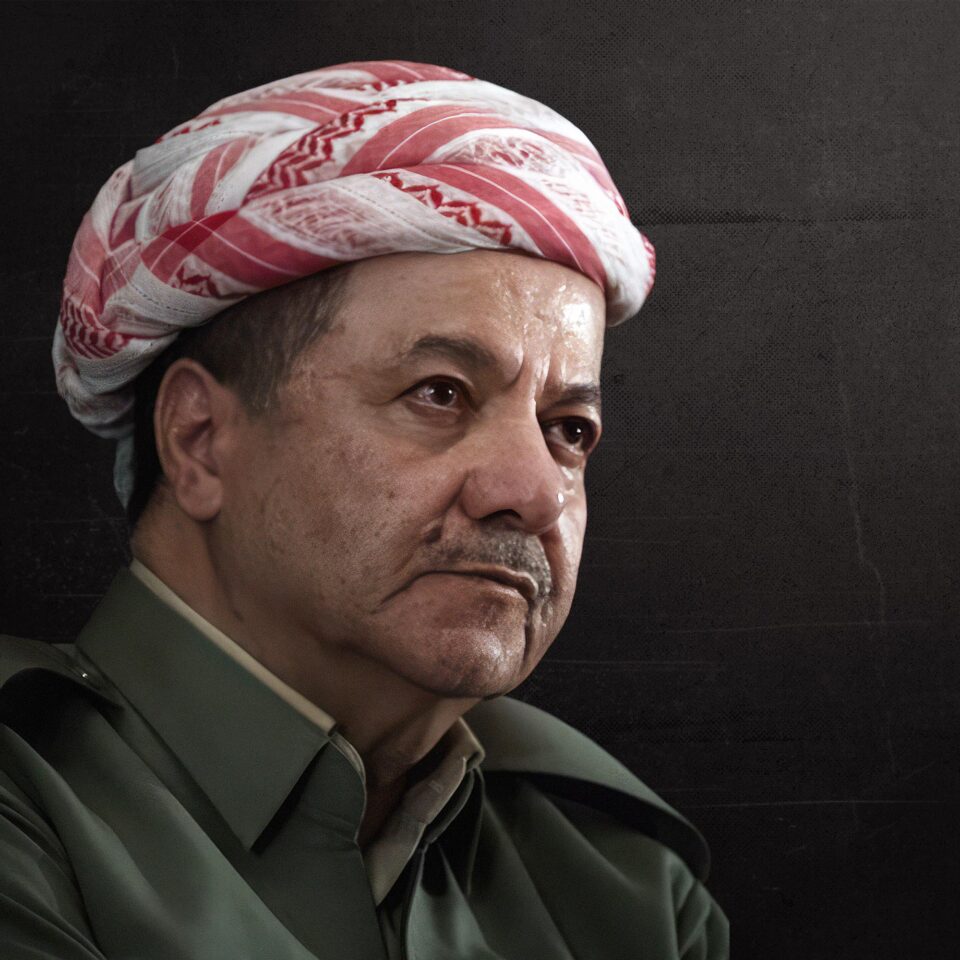
On the occasion of the 42nd anniversary of the Barzani genocide, President Masoud Barzani reaffirmed that the people of Kurdistan rarely pass a day without recalling a tragedy or injustice committed against them by previous Iraqi governments.
Barzani explained that 42 years ago, on this very day, the Iraqi regime forcibly deported 8,000 Barzani men—ranging in age from 9 to 99—to the deserts of southern Iraq, where they were brutally massacred. He stressed that this crime was just one in a long series of violations suffered by the people of Kurdistan, from the disappearance of 12,000 young Feyli Kurds, to the Anfal campaigns in Germiyan and Bahdinan, to the chemical bombing of Halabja, and the Arabization and forced displacement of Kurds.
President Barzani pointed out that the “chauvinistic and denialist mentality” behind those crimes brought nothing but misery and backwardness to all of Iraq. He warned that the continuation of such policies would only perpetuate instability, adding, “Everyone must realize that as long as this mentality persists, Iraq will remain unstable.”
He expressed his gratitude to the people of Erbil Plain, Harir, and Soran, who stood by the Barzanis in their time of suffering. He also paid tribute to the resilience of the families of the Anfal victims—especially the Barzani mothers and women who endured years of pain and loss.
President Barzani concluded his message by honoring the souls of the Barzani Anfal martyrs and all the martyrs of freedom in Kurdistan, affirming that their memory will live on in the hearts of the Kurdish people.
Today marks the 42nd anniversary of the Barzani genocide, committed by the Ba’athist regime under Saddam Hussein on July 31, 1983—one of the most heinous crimes in the history of Iraq and the Kurdistan Region. This atrocity was part of the broader Anfal campaigns and the bombing of Halabja, which collectively aimed to annihilate the Kurdish people.
On that day, the former regime arrested Barzani men, youth, and even children who had been forcibly resettled in compounds near Erbil, including in Qushtapa, Harir, and Baharka. Within a month, thousands of Barzani men—young and old—were rounded up in those forced settlements. Over 8,000 of them were taken to an unknown fate and were later buried alive in mass graves in the deserts of Samawa. This massacre was recognized as an act of genocide and ethnic cleansing—one of many committed by the Ba’ath regime, which left nearly 182,000 innocent people dead and destroyed over 5,000 Kurdish villages.
Following the fall of the regime and the establishment of the federal government in 2003, mass graves containing the remains of Barzani victims were discovered in various random desert locations in Samawa. A total of 696 bodies have been returned to the Kurdistan Region in three phases:
- Phase 1: On October 17, 2005, the remains of 503 Barzani victims were returned.
- Phase 2: On March 6, 2014, the remains of 93 victims were recovered from the Busiya area in Samawa and returned.
- Phase 3: In 2022, another 100 remains were returned.
The fate of thousands of Barzani victims still remains unknown in the deserts of southern Iraq.
Between July 31 and mid-August 1983, over 8,000 Barzani men—young and old—were forcibly disappeared in a brutal campaign by the Iraqi regime targeting the forced resettlement compounds around Erbil. They were later executed in mass killings.
Since 2003, the remains of many victims buried in southern Iraq’s deserts have been recovered. The Kurdistan Regional Government has built a memorial and cemetery in the Barzan area to honor the victims. Their families can visit, and official ceremonies are held there regularly to remember them.