
Sema
A recently rediscovered collection of photographs—dating back nearly a century and taken during archaeological excavations in the Kurdistan Region—has become a powerful reminder of the Ezidi heritage, long threatened by war and persecution.
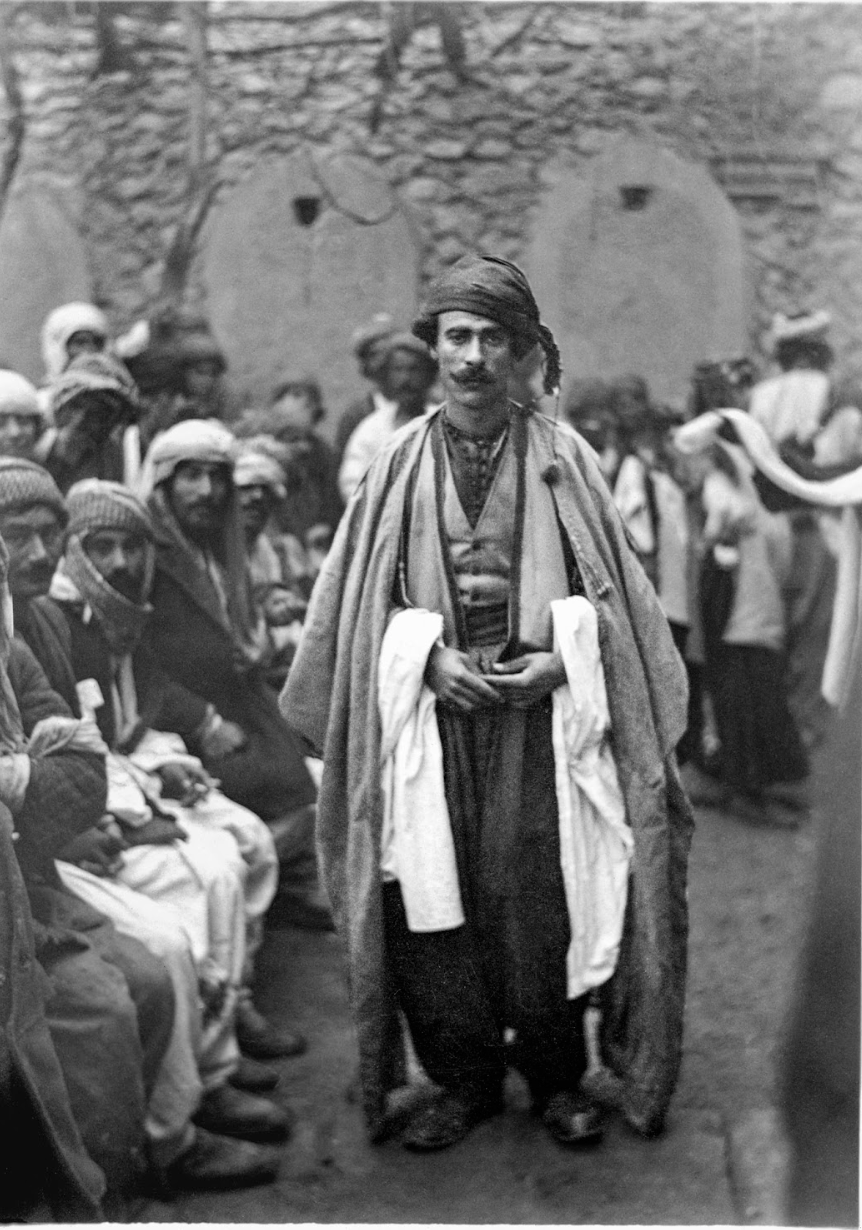
The black-and-white images, captured by archaeologists working in Kurdistan in the 1930s, document not only archaeological sites but also the everyday life of the Ezidi community, according to the Associated Press.
These photographs were recently found in the archives of the University of Pennsylvania Museum of Archaeology and Anthropology, which led the excavations at the sites of Tepe Gawra and Tell Billa. Among the images is one showing an Ezidi shrine that was destroyed by ISIS nearly a decade ago.
The discovery was made in 2022 by Mark Marin Webb, a PhD student at the University of Pennsylvania. He found the shrine image and began exploring the museum’s records, eventually compiling nearly 300 photographs into a visual archive of one of the oldest religious communities in Kurdistan and Iraq. Researchers describe the archive as a “vault of cultural memory” for a community that has endured systematic destruction by ISIS.
The Kurdish Ezidis, whose ancestral homeland is the town of Sinjar in western Nineveh Province, suffered what the United Nations has called a genocide following ISIS’s invasion of the area in 2014. Thousands were killed, thousands more enslaved, and a large portion of their cultural heritage—shrines, villages, and artifacts—was destroyed.
For survivors, the rediscovered photographs carry deep personal meaning. One Ezidi woman, Ansam Bashir, now living in the UK, was moved to tears when she recognized wedding photos of her grandparents from the early 1930s. Her grandfather, Bashir Sadiq Rashid al-Rashidani, worked with archaeologists from the University of Pennsylvania and even hosted them in his café. The researchers attended his wedding and documented the event, lending the family a 1927 car for the procession—believed to be the first car ever seen in the town.
Bashir said: “My albums, my childhood photos, my brothers’ wedding videos—everything was lost in the ISIS attack. Now, suddenly seeing a picture of my grandfather and great-grandfather come back to life… it makes me so happy. Everyone feels the same.”
The archive shows Ezidis at weddings, at work, and during religious rituals—images that starkly contrast the violence and displacement that have marked their recent history. Nathaniel Brandt, a documentary filmmaker based in Toronto, is working with Webb to share the archive with the Ezidi community through regional exhibitions and digital platforms. “These images represent a very powerful act of resistance against erasure,” Brandt said.
The first exhibitions were held in April, coinciding with Ezidi New Year celebrations. Some of the photos were displayed outdoors at the very sites where they were originally taken nearly a century ago. For Ezidi visitors, the experience was deeply moving and meaningful.
Webb said: “It was seen as a powerful way to reclaim memory—a memory that has been directly threatened by a campaign of ethnic cleansing.”
At one of the exhibitions, Bashir’s brother, visiting from Germany, recognized their ancestors in the wedding photos, helping researchers fill in missing details. For Bashir, seeing her grandmother’s face was like seeing her sister: “I see my sister in black and white.”
This project also serves as a reminder of the vast cultural knowledge hidden in museum archives. Alessandro Pezzati, chief archivist at the Penn Museum, said: “So many of these collections lie dormant until someone like him awakens them.”
For the Ezidi diaspora—scattered across Kurdistan, Iraq, Europe, and beyond—the rediscovered images are both a family album and a historical record. As Bashir put it: “We have suffered so much, but we still have some history left.”