
Sema
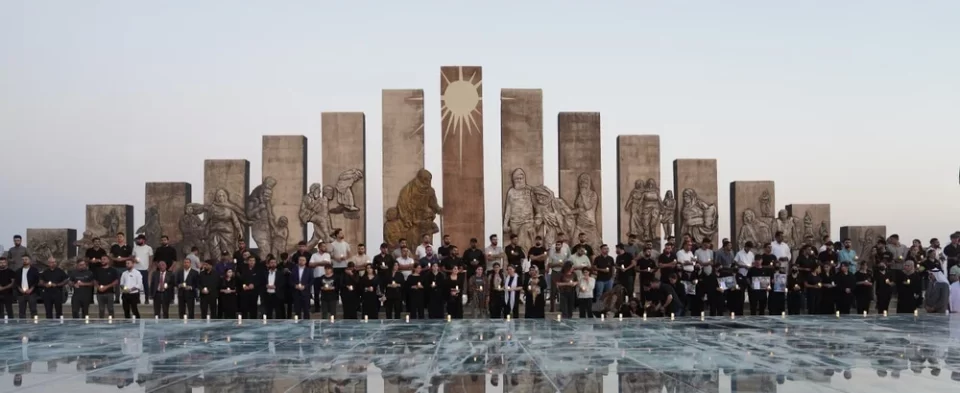
The remains of 22 Ezidis, most from the village of Kocho in Sinjar, will be handed over to their families on August 13, marking another chapter in the long, painful process of exhuming mass graves from the 2014 ISIS genocide.
Iraqi MP Vian Dakhil told that despite years of appeals, “the Iraqi government has not taken serious steps” to address the mass graves crisis. She noted that 39 mass graves have been identified in Sinjar since 2014, but 25 remain untouched. Only 68 graves have been exhumed, returning the remains of 274 victims to their families, while about 500 more remain in forensic facilities for DNA analysis.
Families of the victims continue to call for faster action. Amal Hussein, who lost relatives in the massacre, said her wish was to see the graves of her loved ones on Eid. Naam Khalaf, who previously received the remains of her two sons, husband, and nephews, said the upcoming handover will include her sister-in-law, more nephews, and several villagers who were close relatives.
The Kocho massacre occurred after ISIS seized Mosul on August 3, 2014, using abandoned Iraqi army weapons. Militants executed Ezidi men and boys, and enslaved women and girls, many of whom were sold in markets. The United Nations has described the attack as genocide, a designation backed by several countries, including the United States. According to the Kurdistan Regional Government’s Ezidi Rescue Office, more than 6,400 Ezidis were abducted, with thousands still missing.
Since the liberation of Sinjar in 2015, progress in exhuming graves and identifying victims has been hampered by political disputes between Baghdad and the Kurdistan Regional Government, as well as the presence of multiple armed groups in the area, including pro-Iran militias. Limited forensic capacity, inadequate funding, and bureaucratic delays have further slowed the process, leaving many families in limbo.
Survivors say the return of remains is an important step toward closure, but the slow pace of exhumations, lack of reconstruction, and continued displacement of Ezidis — with tens of thousands still in camps — remain major grievances nearly a decade after the atrocities.