
Sema
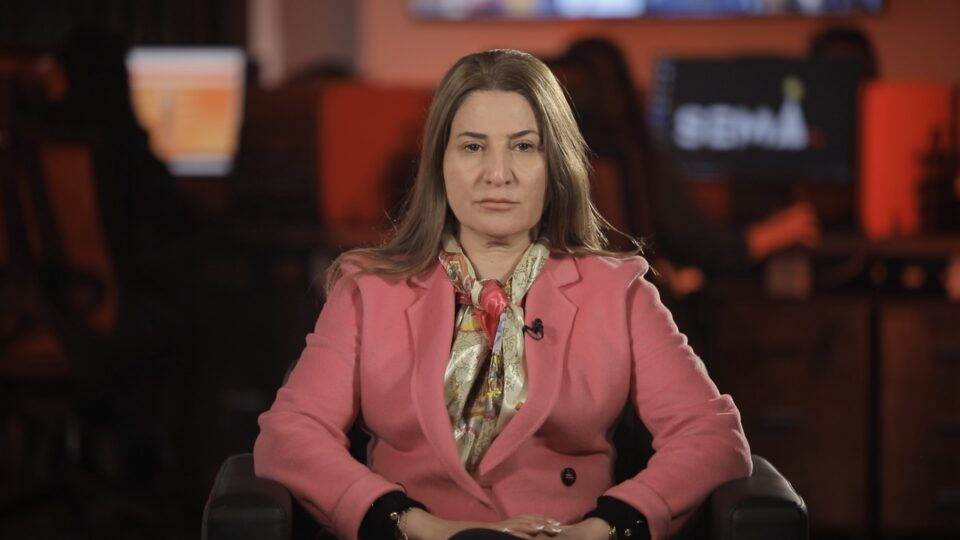
Iraqi parliamentarian Dr. Vian Dakhil has strongly criticized a newly proposed amendment to the Law on Endowments of Christian, Ezidi, and Mandaean Religions, warning that the draft—referred to as the “Sect Law”—represents a constitutional violation and an attempt to marginalize long-established religious communities in Iraq.
The proposal, reportedly submitted by some church leaders, aims to reclassify the Ezidi and Mandaean religions as “sects” rather than distinct faiths. Dakhil described the move as an unacceptable reduction of the identity and history of Iraq’s religious minorities.
“We will not allow this proposal to pass,” Dakhil said in a statement. “It attempts to reduce our religious and cultural existence to the mere term ‘sects’, while Ezidism and Mandaeism are independent and ancient religions.”
The law amendment, according to Dakhil, has already been submitted to the President of Iraq, but as of yet, there has been no public response from the presidency. This silence, she suggested, is troubling.
“If the President is aware of the proposal, then this is a serious problem. If he is not, then the situation is even worse,” she said.
Dakhil also pointed to a demographic imbalance in the treatment of minority groups under the proposed law. She noted that the Ezidi population far exceeds the Christian population in Iraq, yet the proposed changes appear to prioritize the Christian community while neglecting others.
“Shockingly, the draft even includes the so-called ‘Jewish sect’, despite the fact that there are no Jews currently living in Iraq, while hundreds of thousands of Ezidis and Mandaeans still reside in the country.”
Of particular concern to Dakhil is a clause in the draft that could empower Iraq’s Cabinet to dissolve a religious group via administrative decision—a mechanism she says could be used to erase entire faith communities with little oversight or legal recourse.
“What wisdom lies in giving the government the ability to delete a whole religious group from existence with a stroke of a pen?”
The controversial proposal has not only drawn criticism from Ezidi and Mandaean representatives. Dakhil emphasized that Christian leaders have also expressed their opposition, indicating that the amendment lacks consensus among Iraq’s religious minorities.
Despite her firm opposition, Dakhil reaffirmed her commitment to interfaith respect and coexistence:
“We respect all religions and believe in tolerance and brotherhood between Ezidis, Christians, Mandaeans, and all Iraqis. Our rejection of this law stems from our belief in equal rights and recognition—not from division.”
The proposed amendment has not yet been debated in Parliament, but if passed, it could mark a significant shift in how Iraq legally defines and governs religious minorities. For Dakhil and others in opposition, the stakes are high.
“There is something deeply suspicious about this proposal,” she concluded. “And we will not allow it to go through unnoticed or unchallenged.”