
Sema
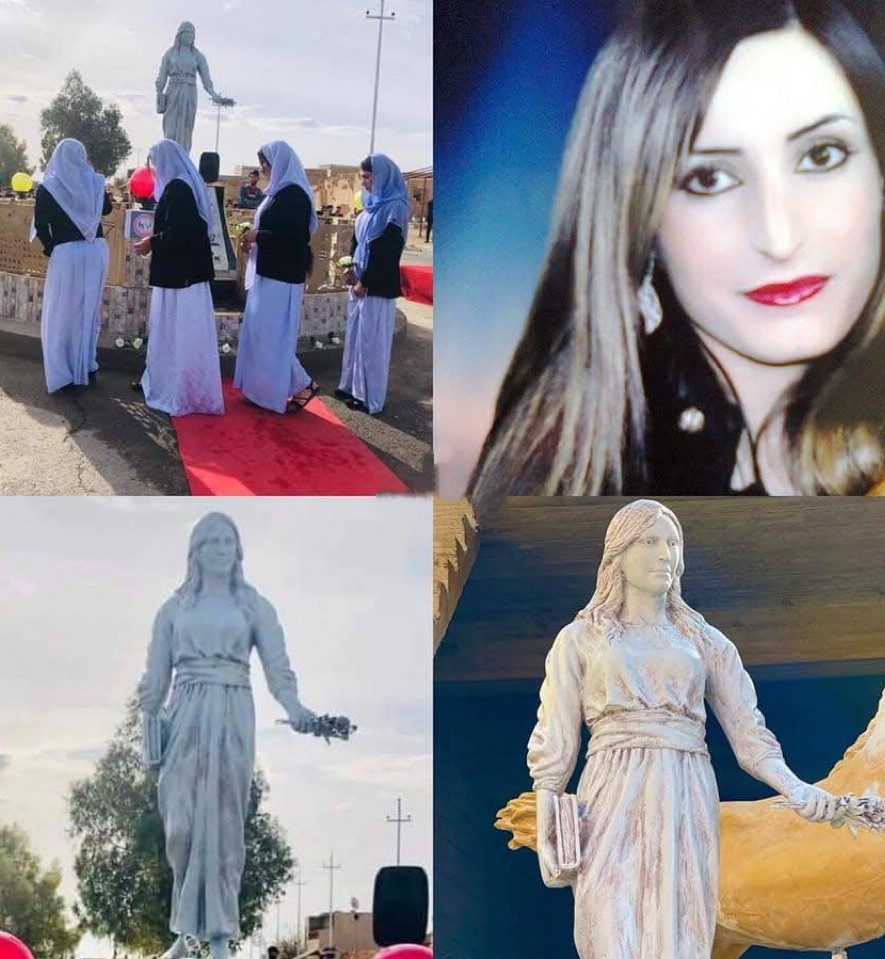
On August 20, 2014, a tragic and unforgettable event occurred in Ba’aj District when Jilan Barjis, a young Ezidi woman from Tal Azir, chose to confront her fate with extraordinary courage. Born in 1995, Jilan was an outstanding student in the fifth scientific grade, known for her beauty and good character. However, her life turned into a nightmare after ISIS invaded the Sinjar area on August 3, 2014.
Jilan was taken to a detention center in Ba’aj, where she was among a group of kidnapped Ezidi women. On that day, Abu Musa and Abu Abdullah, the officials in charge of distributing the captives, demanded that she bathe and put on new clothes to become a “bride” for an ISIS fighter.
This demand was part of the organization’s policy to humiliate and exploit women. Jilan strongly refused, determined not to submit to humiliation. She asked, “Who gave you the right to decide our fate? We did not fight you. How can we be war captives?”
She insisted that she would neither enter the bath nor wear the new clothes. Abu Abdullah’s attempts to force her failed. “Be a bride for one of our fighters, or I will flog you,” he threatened, but Jilan did not waver. Ultimately, she chose to end her life with dignity rather than live in captivity. Using a razor blade, she cut the veins in her hands, choosing death over a life under oppression and abuse.
When her younger sister, Jihan, discovered what had happened, she was deeply shocked. Jihan screamed in grief, refusing to accept the loss of her sister. At the same time, Abu Abdullah refused to bury Jilan’s body, instead leaving it exposed to become food for animals, compounding the suffering of Jihan and the other detained girls. Jihan pleaded for her sister to be buried with dignity, but her pleas were rejected.
Jilan Barjis’ story remains a symbol of courage and resilience in the face of the most horrific injustice. Her story reminds us of her immense suffering and extraordinary bravery and continues to inspire future generations in their struggle against oppression and persecution.