
Sema
German-Ezidi footballer Deniz Undav was targeted by Fenerbahçe fans with racist chants during a Europa League match in Istanbul. The crowd reportedly shouted insults such as “traitor” and used anti-Ezidi slurs. The incident underscores the persistent discrimination faced by Ezidis in Turkish sports.
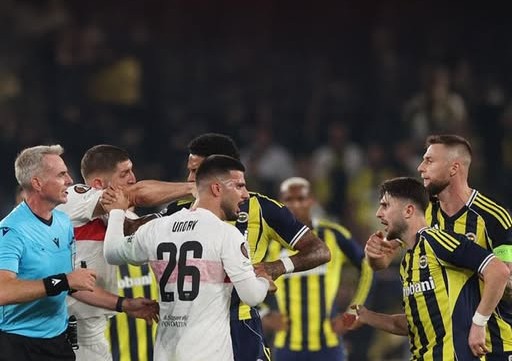
German national footballer Deniz Undav, who has Ezidi heritage, was subjected to racist insults and abuse during VfB Stuttgart’s Europa League match against Fenerbahçe in Istanbul on Thursday evening—an incident that has reignited debate about anti-Ezidi racism in Turkish sports and society.
According to multiple eyewitnesses and widely shared videos on social media, sections of the crowd at Fenerbahçe’s Şükrü Saracoğlu Stadium hurled racist and personal insults at Undav throughout the game, which ended 1–0 in favor of the Turkish team. Some fans were heard shouting obscenities about the striker’s family, while others reportedly used slurs such as “traitor” and “terrorist.”
The abuse followed a brief on-field altercation between Undav and Fenerbahçe midfielder İsmail Yüksek, after which parts of the stadium audience began singling out the Stuttgart forward with targeted chants.
This is not the first time Undav has faced hostility. For months, he has been the target of online hate after publicly embracing his Ezidi background and rejecting the label of a “Turkish footballer.” In a 2023 interview, he explained his choice to represent Germany rather than Türkiye, saying, “I knew that after two or three bad games for Türkiye, I would have been completely insulted.”
Since then, social media platforms have been flooded with hate speech against him, with commenters calling him a “traitor,” a “terrorist,” and a “nationless dog.” Posts featuring the wolf emoji—a symbol associated with Türkiye’s ultranationalist Grey Wolves movement—have frequently appeared under his name.
The anti-racism organization Informationsstelle Antiezidischer Rassismus condemned the latest incident, urging football authorities and clubs to take a firm stance against all forms of discrimination.
For many Ezidis in Türkiye, everyday prejudice remains a harsh reality, and football stadiums often mirror those societal tensions. Teams from regions with significant Ezidi or minority populations—such as Amed SK from Diyarbakır—have repeatedly been targeted by nationalist chants, hostile banners, and punitive actions from football authorities.
Observers warn that such incidents extend far beyond football, exposing deep-rooted intolerance and ethnic divisions within Turkish society. “When a player like Deniz Undav is attacked simply for embracing his Ezidi identity, it shows that football remains a reflection of the country’s unresolved social and ethnic tensions,” one analyst told Kurdistan24.
The abuse directed at Undav has drawn widespread condemnation across European football, with increasing calls for UEFA and national federations to implement concrete measures to protect players and hold perpetrators of racist behavior accountable.