
Sema
Germany’s 7–1 rout of Curaçao was marked by a historic moment as Deniz Undav scored and provided two assists, becoming the first footballer of Kurdish descent to find the net in World Cup history. The achievement prompted joyful Kurdish celebrations far beyond the stadium.
From the World Cup to the Govend: Deniz Undav’s Historic Goal Becomes a Kurdish Moment
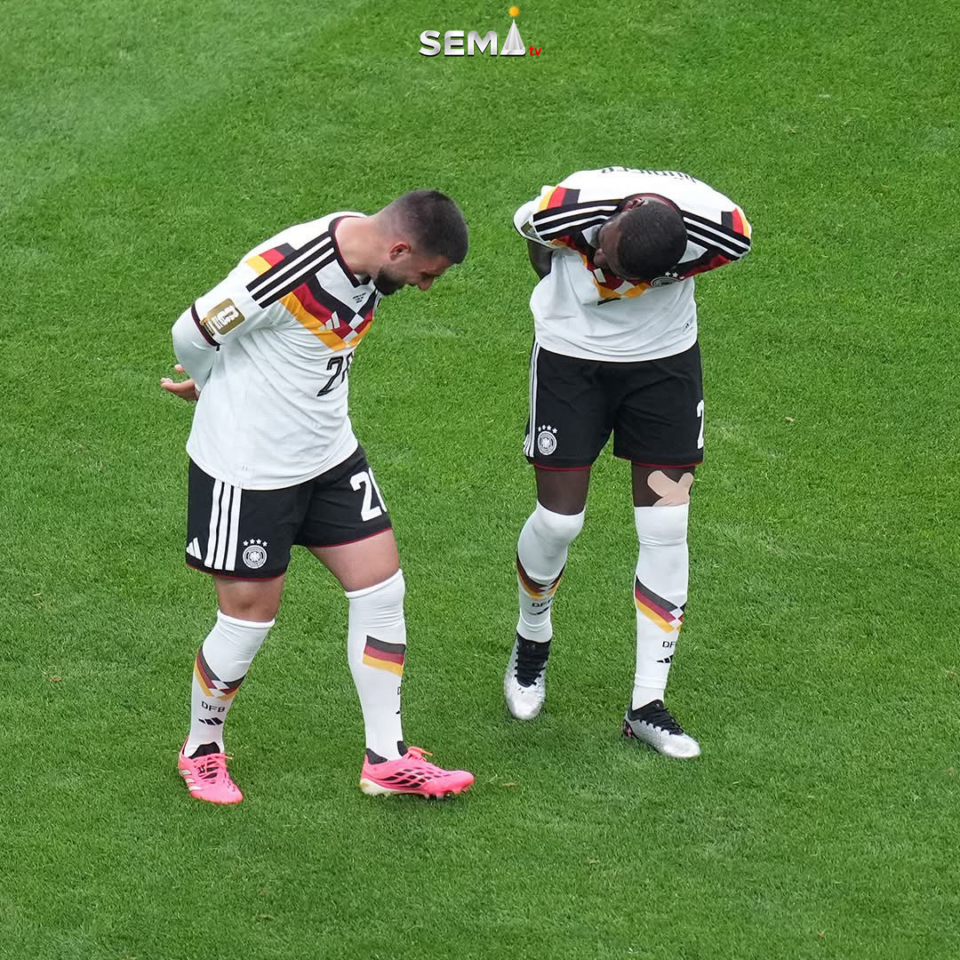
Among Kurds, a well-known saying goes: Jiyan bi Kurdî xweş e — life is beautiful the Kurdish way. That sentiment was vividly reflected on one of football’s biggest stages when German forward Deniz Undav celebrated his World Cup goal with a traditional Kurdish govend dance during Germany’s opening match of the 2026 FIFA World Cup.
For millions of Kurds in the Kurdistan Region and across the diaspora, the celebration carried significance far beyond football. In a matter of seconds, a centuries-old cultural tradition was projected to a global audience, transforming a sporting achievement into a powerful expression of identity.
When Undav entered Germany’s Group E clash against Curaçao in the 64th minute at Houston’s NRG Stadium, his team was already in control of the contest. However, his impact over the remaining minutes elevated the match from a routine victory into a historic milestone.
The Kurdish-German striker scored once and provided two assists as Germany cruised to a commanding 7-1 victory. In doing so, he became the first player of Kurdish heritage to score in FIFA World Cup history.
His response was immediate and symbolic. Turning toward the corner flag, Undav broke into a govend, the traditional Kurdish folk dance known for its rhythmic movements and communal spirit. The celebration resonated deeply with Kurds worldwide, many of whom have long viewed the World Cup from the sidelines due to the absence of an independent Kurdish national team recognized by FIFA.
For a brief but memorable moment, Undav brought Kurdish culture directly into the heart of the world’s most-watched sporting event.
The achievement comes during a period of growing Kurdish representation in international football. A recent report published by the Kurdistan Regional Government Representation in the United States, titled “Iraq Returns to the FIFA World Cup, with Kurdish Players Helping Lead a New Generation,” highlighted the increasing role of Kurdish and Kurdistani athletes on football’s biggest stage.
The report notes that Iraq’s return to the World Cup after four decades has been fueled in part by a new generation of talented Kurdish players. Among them are defender Merchas Doski of Viktoria Plzeň, Erbil-born midfielder Akam Hashim, and Venezia forward Marko Farji, all representing Iraq in Group I.
Undav’s story reflects another dimension of Kurdish football success — that of the diaspora. Born and raised in Germany to Kurdish parents, he represents a generation of athletes who have risen through European football while maintaining strong connections to their heritage.
According to the KRG report, the growing presence of Kurdish players at the tournament symbolizes resilience, opportunity, and the ability of sport to transcend borders and political realities.
The match itself initially offered an unexpected challenge for Germany. Curaçao, the smallest nation ever to qualify for a FIFA World Cup, shocked the crowd when Livano Comenencia scored an early equalizer, registering the Caribbean nation’s first-ever World Cup goal.
Germany, however, quickly regained control. Felix Nmecha opened the scoring, while Kai Havertz added goals in both halves, including a successful penalty. The result marked Germany’s most convincing opening World Cup victory since their triumphant 2014 campaign.
Yet the closing stages belonged to Undav. Coming off the bench, he provided creativity, precision, and composure, setting up two goals before adding his own name to the scoresheet and the history books.
His accomplishment also mirrors the journey of other young Kurdish talents making their mark internationally. One example is Youssef Amyn, who represented Germany at youth level before choosing to play for Iraq, honoring his family roots in Darbandikhan.
Whether representing Germany, Iraq, or other nations, Kurdish footballers are increasingly shaping the global game while highlighting the diverse identities that define modern football.
Elsewhere on a busy day of World Cup action, Sweden defeated Tunisia 5-1 in Monterrey, with Yasin Ayari scoring twice and goals also coming from Alexander Isak, Viktor Gyökeres, and Mattias Svanberg. Japan fought back on two occasions to secure a 2-2 draw against the Netherlands in Arlington, while Ivory Coast claimed a dramatic 1-0 victory over Ecuador thanks to a late winner from Amad Diallo.
For Germany, the emphatic win strengthens confidence ahead of the challenges that lie ahead. For Kurds around the world, however, the most enduring image from Houston remains the sight of Deniz Undav performing a govend on football’s grandest stage — a moment where sport, culture, and identity came together before a global audience.