
Sema
On the 11th anniversary of the Ezidi genocide, spiritual leader Baba Sheikh demanded a special court for the perpetrators, reconstruction of Sinjar, and intensified efforts to find the 2,827 missing. He urged justice, compensation, and constitutional protection for Ezidis.
Ezidi Spiritual Leader Demands Justice and Reconstruction on 11th Anniversary of Sinjar Genocide
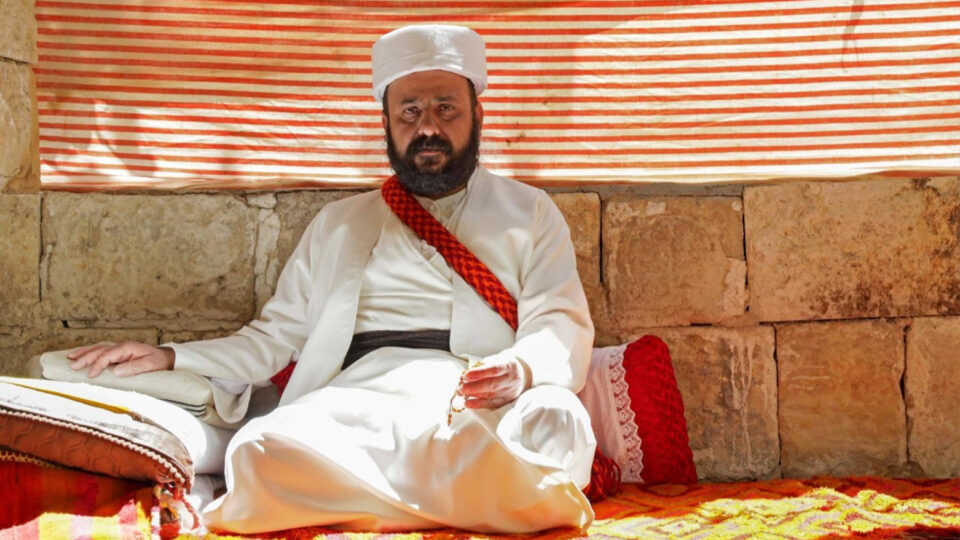
As Ezidi Kurds across Kurdistan and Iraq marked the painful 11th anniversary of the Sinjar genocide, their spiritual leader, Baba Sheikh Sheikh Ali Sheikh Ilyas, issued a powerful and urgent appeal for justice, accountability, and lasting recovery. His statement called for the establishment of a specialized court to prosecute genocide crimes, full reconstruction of Sinjar, and intensified international efforts to determine the fate of more than 2,800 missing individuals.
On Sunday, in remembrance of the August 3, 2014 atrocities committed by ISIS—crimes widely recognized as among the most brutal in modern times—Baba Sheikh honored the memory of the victims and expressed deep solidarity with survivors and grieving families.
His message directly urged the Iraqi government, the Kurdistan Regional Government, and the international community to fulfill their legal and moral responsibilities. Central to his call was the demand for a dedicated court to prosecute those responsible for the genocide committed against the Ezidis.
The spiritual leader also stressed the necessity of formal international recognition of the genocide, emphasizing that acknowledgment must be paired with comprehensive documentation—including testimonies, evidence, and records—to ensure such crimes are never repeated.
Highlighting the ongoing suffering, Baba Sheikh noted that thousands of Ezidi families are still waiting to know the fate of their loved ones. He urged national and international bodies to expand search efforts and clarify the fate of missing Ezidi women, men, and children.
The statement renewed the long-standing demand for complete reconstruction of Sinjar and the creation of a secure and dignified environment for displaced Ezidis to return home. This recovery, he stressed, must go beyond rebuilding infrastructure—it must also include psychological, social, and economic rehabilitation, with fair compensation and reintegration support for survivors, free from stigma and discrimination.
Baba Sheikh also called for long-term legal protections, highlighting the need to safeguard Ezidi religious and cultural rights in Iraq’s constitution and laws, and to support institutions dedicated to preserving Ezidi heritage. He also proposed creating a national or international center to document the Ezidi genocide.
The statement expressed appreciation for the efforts of local and international humanitarian actors and civil society groups who have stood by the Ezidi community over the past decade.
He concluded with a solemn reflection: “The memory of the genocide will remain a deep wound in our collective consciousness, and a powerful drive to build a future rooted in justice and peace.”
The 11th anniversary brings renewed attention to the human cost of the genocide. According to official figures, 6,417 Ezidis were abducted, of whom 3,562 have been rescued, while the fate of 2,827 remains unknown. The genocide left 2,745 Ezidi children orphaned, and ISIS destroyed 68 religious and cultural sites, in addition to the discovery of 83 mass graves to date.